

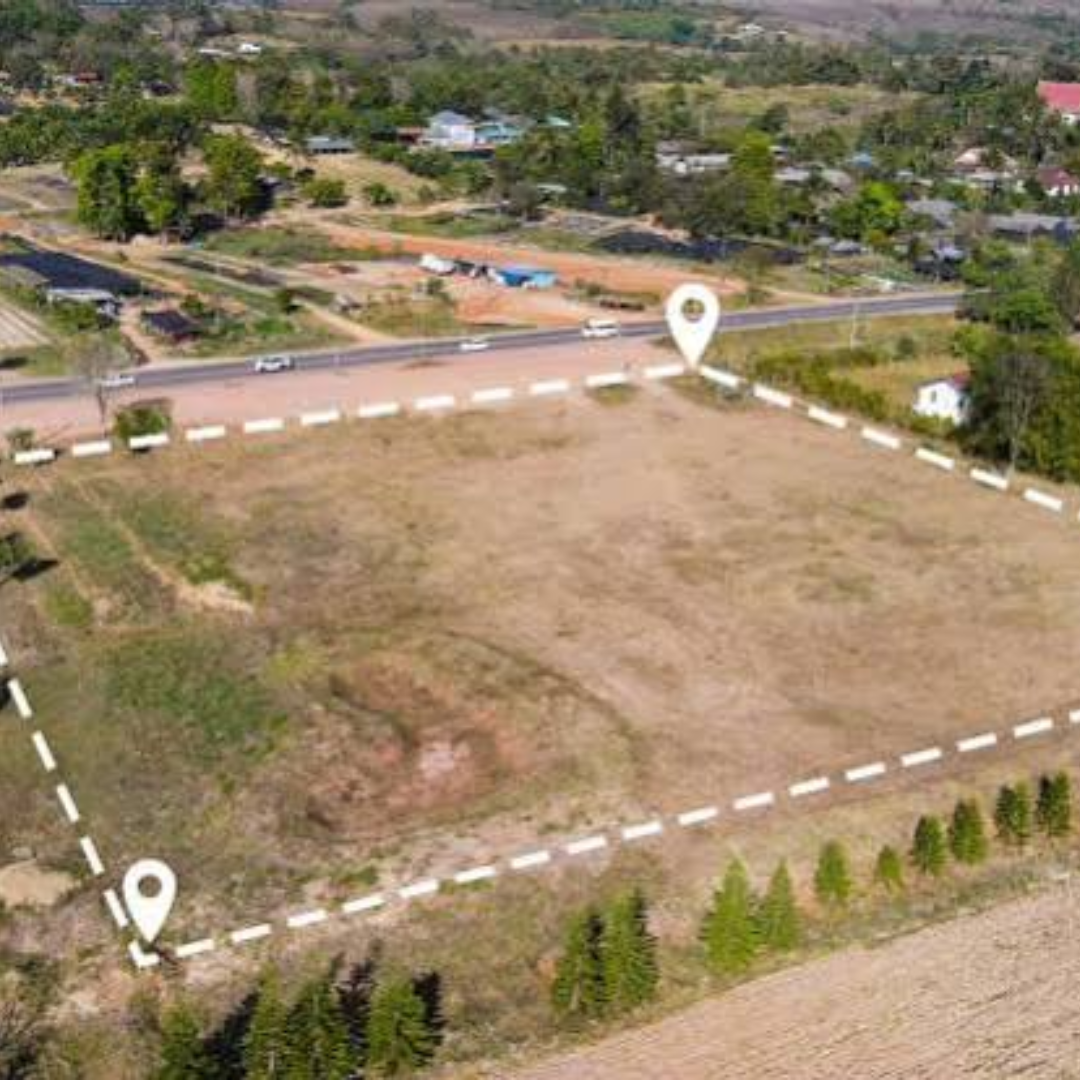
Best Open Plots in Hyderabad 2026 | HMDA & DTCP Plots
Open plots in Hyderabad continues to attract home buyers, investors and land purchasers because the city is expanding well beyond its traditional residential and commercial centres. For buyers who want flexibility in the long term, open open plots in Hyderabad can be an attractive property option. Unlike a ready apartment, a open plots in Hyderabad gives the buyer more freedom over the timing, design and construction of a future home. It can also suit buyers who want to hold land as a long-term asset.
However, buying a plot requires more due diligence than simply comparing the size and quoted price. Location, road access, title, layout approval, land use, development around the property, utilities and the reputation of the developer can all influence the quality of the investment. In open plots in Hyderabad, buyers also commonly come across terms such as HMDA and DTCP while researching open plots in Hyderabad developments. Understanding what these terms mean and verifying the approval status of the specific layout is essential.
This guide explains the major factors to consider when searching for open plots in Hyderabad. It also discusses established and emerging corridors where buyers may explore residential open plots in Hyderabad, including Tukkuguda, Shamshabad, Maheshwaram, Adibatla, Mangalpally, Ibrahimpatnam, Shadnagar, Mokila, Kollur, Patancheru and selected northern growth corridors. The objective is not to declare one locality universally better than another, but to help buyers match a location with their budget, purpose and investment horizon.
Why Are open plots in Hyderabad?
open plots in Hyderabad plots appeal to buyers for several reasons. The first is flexibility. When purchasing an apartment, the buyer generally accepts the building design, floor plan, common areas and construction specifications created by the developer. A open plots in Hyderabad purchaser has much greater control over the eventual house, subject to applicable planning and building rules.
The second reason is land ownership. Some buyers prefer owning a piece of land because it is easy to understand conceptually: the buyer owns a defined site rather than a unit within a multi-storey building. The third is timing. A buyer may purchase a open plots in Hyderabad today and construct later when finances, family requirements or career plans make construction more practical.
Plots can also be considered by investors with a long holding period. New roads, employment clusters, logistics activity, industrial development, educational institutions and residential communities can gradually change the character of an emerging corridor. But this does not mean every open plots in Hyderabad will automatically appreciate. Land value depends heavily on the exact micro-market, legal status, accessibility and actual development.
For this reason, buyers should think of a open plots in Hyderabad as a location-driven investment rather than simply a low-cost property. A cheaper plot in an inaccessible or poorly documented layout may be less attractive than a slightly more expensive plot with better access, clear documentation and stronger surrounding development.
HMDA and DTCP: What Should Plot Buyers Understand?
HMDA and DTCP are terms buyers frequently encounter when searching for open plots in Hyderabad around open plots in Hyderabad and Telangana. In simple terms, they relate to planning and development regulation, but the important point for a buyer is not merely the label used in advertising. The buyer should verify the actual approval documents, layout details and applicable authority records for the particular project.
An advertisement saying that a project is HMDA approved or DTCP approved should not by itself be treated as sufficient due diligence. Buyers should ask the developer or seller for the relevant approval documentation and verify the project details through the appropriate official records or with a qualified property lawyer or professional.
The approval process can involve several aspects, including layout planning, roads, open plots in Hyderabad spaces and infrastructure provisions. The exact requirements depend on the location, nature of the development and applicable regulations. Buyers should therefore avoid assuming that every open plots in Hyderabad advertised with a particular approval term has identical legal characteristics.
It is also important to distinguish between an approved layout and other forms of land documentation. A buyer should investigate title, ownership history, land conversion or land-use requirements where applicable, encumbrances, survey details and the authority’s approval. If the project falls under a registration requirement, the buyer should also check the relevant registration information.
The safest approach is to treat approval as one part of a larger due-diligence checklist rather than as a substitute for legal verification.
Best Areas to Explore for open plots in Hyderabad
open plots in Hyderabad plotted development market is spread across several growth corridors. The right location depends on whether the buyer wants to build a home soon, hold the land for several years or purchase within a specific budget. Below are some areas that buyers commonly research when looking for residential open plots in Hyderabad.
- Tukkuguda
Tukkuguda has become an important southern open plots in Hyderabad growth corridor and is frequently considered by buyers looking for plots, villas and new residential communities. Its location near major road networks and the wider airport-side development zone makes it relevant to both end users and long-term investors.
Plot buyers should look beyond the locality name and compare individual pockets. Road width, distance from major junctions, access to the nearest developed neighbourhood, water availability and surrounding construction can differ significantly from one layout to another. A open plots in Hyderabad closer to established infrastructure may command a higher price than one farther into an emerging pocket.
Tukkuguda can suit buyers who are comfortable with a medium- to long-term development horizon. Before purchasing, inspect the site physically and verify the layout documents instead of relying solely on online advertisements.
- Shamshabad
Shamshabad is one of the most recognizable growth areas in south open plots in Hyderabad, supported by its proximity to Rajiv Gandhi International Airport and major transport routes. The area has a mix of residential, commercial, hospitality and logistics-related development.
For open plots in Hyderabad buyers, Shamshabad can offer a range of options, from smaller residential sites to larger plotted developments. The exact location matters considerably. A plot with convenient access to a major road and established services can have a different user profile from a plot located deeper inside an emerging layout.
Buyers should also consider traffic patterns, access roads and future construction around the site. Airport proximity is an advantage in the broader location story, but the buyer should still evaluate the immediate neighbourhood and not purchase based on a single connectivity claim.
- Maheshwaram
Maheshwaram has emerged as a notable southern open plots in Hyderabad corridor for industrial, residential and plotted development discussions. Its larger growth story is connected to the expansion of the southern side of the metropolitan region.
The area may appeal to buyers who want a open plots in Hyderabad in an emerging corridor and are willing to hold the property over a longer period. When evaluating a layout, compare the distance to existing residential communities, major roads, schools, healthcare facilities and daily-use retail.
A common mistake is to judge Maheshwaram or any other large locality using one average price. Different villages, junctions and layouts can have substantially different characteristics. The exact survey location, road access and surrounding development should therefore be part of the comparison.
- Adibatla
Adibatla is another southern open plots in Hyderabad location that has attracted attention because of employment and industrial development. Its proximity to established and emerging employment clusters can make it relevant for buyers looking at both end-use housing and longer-term land ownership.
For residential open plots in Hyderabad, buyers should evaluate whether the layout is positioned for genuine residential development rather than relying only on projected future growth. Look for occupied communities, functioning roads, electricity connections, water arrangements and access to everyday services.
Adibatla can be considered by buyers who want to participate in the broader growth of south open plots in Hyderabad while maintaining a long investment horizon. Due diligence remains essential because the quality and legal status of individual plotted projects can vary.
- Mangalpally and Ibrahimpatnam
Mangalpally and Ibrahimpatnam are part of the wider southeastern growth belt. These locations are often considered by buyers looking for comparatively larger open plots in Hyderabad or land in developing areas.
One of the advantages of exploring an emerging belt is the wider range of land parcels and open plots in Hyderabad communities that may be available. The trade-off is that infrastructure and neighbourhood maturity can vary. Buyers should assess how far the property is from a dependable main road, public transport, schools, healthcare and established residential areas.
For investment-oriented buyers, a realistic holding period is important. Land in an emerging corridor may require patience, and projected infrastructure should never be treated as guaranteed appreciation. The decision should be based on current access and documentation as well as reasonable expectations about future development.
- Shadnagar
Shadnagar has long been discussed as a peripheral open plots in Hyderabad investment and residential corridor because of its connectivity to the city and the broader southern growth region. It offers a wide variety of land and open plots in Hyderabad -development options.
The large geographical spread means micro-location is especially important. Two projects marketed as being in Shadnagar can have very different accessibility and development levels. Buyers should compare actual travel routes, nearby settlements, road quality and existing services rather than relying on the locality name alone.
Shadnagar may suit investors with a longer time frame, particularly those who understand that peripheral land markets can take time to mature. Buyers looking for immediate self-use should place greater weight on present-day infrastructure and neighbourhood livability.
- Mokila
Mokila is a western open plots in Hyderabad location associated with premium residential growth, villas and plotted developments. Its appeal comes partly from its connection to the western residential belt and the larger employment ecosystem of the city.
Plots in and around Mokila may attract buyers who want to build a custom home in a relatively spacious environment. The price level and development character can vary significantly between different pockets, so buyers should compare the exact site rather than using a broad locality average.
For self-construction, evaluate plot dimensions, frontage, road width, drainage, water availability and building feasibility. For investment, consider the development already present around the plot and the realistic period for the area to mature.
- Kollur
Kollur has developed into an important western open plots in Hyderabad residential corridor, with apartments, villas and plotted communities forming part of its property market. Its proximity to the broader Financial District–Tellapur–Nallagandla ecosystem makes it interesting to buyers who want western-side exposure without necessarily purchasing in the most expensive central locations.
Plot buyers should compare access to major roads and nearby residential infrastructure. A gated plotted community can offer internal roads, security and planned amenities, but the buyer should still verify the project’s legal and approval documentation independently.
Kollur may work for both end users and investors, but the right purchase depends on the exact location, budget and intended holding period.
- Patancheru and the Western-Northwestern Belt
Patancheru and surrounding areas form a large and diverse property market. The corridor includes established settlements, industrial areas, residential projects and emerging developments. Buyers searching for plots may find options across a wide range of budgets and project types.
The main point to remember is that Patancheru is not a single uniform market. Industrial influence, traffic, environmental conditions, road access and neighbourhood character can differ by pocket. A site visit is therefore particularly important.
Buyers planning to build a home should investigate water, drainage, electricity and access at the specific plot. Investors should compare the plot’s current accessibility with the price being asked rather than paying a premium solely for a future-development narrative.
- Northern Hyderabad Growth Corridors
Kompally, Medchal, Gundlapochampally, Kandlakoi, Bolarum and nearby northern corridors are also relevant to buyers exploring residential land. These areas benefit from the broader northern expansion of open plots in Hyderabad and connectivity toward Secunderabad and the northern suburbs.
Plots in northern open plots in Hyderabad can appeal to families seeking larger homes and buyers who prefer suburban environments. The key considerations include commuting routes, traffic, schools, healthcare, retail access and the level of residential development around the particular project.
As with every other corridor, buyers should not assume that a large advertised road or proposed infrastructure project will automatically translate into higher land value. Current access, legal clarity and neighbourhood quality should carry significant weight in the purchase decision.
How to Choose the Right Plot Location
A good plot is not simply a square-foot measurement. Location quality is a combination of accessibility, neighbourhood, legal status, infrastructure and future usability.
Start with commute time. If the plot is intended for a future home, calculate travel time to the places that matter to the household: workplace, school, healthcare, family networks and daily shopping. An investment plot can tolerate a longer commute, but even then, dependable road access is important.
Next, inspect the immediate neighbourhood. Look for occupied homes, functioning streetlights, electricity infrastructure, drainage and visible construction activity. A developed road surrounded by active communities is generally easier to understand than a completely isolated parcel marketed only on future promises.
Also consider the shape and dimensions of the plot. A rectangular site with usable frontage may be easier to design than an irregular plot of the same area. Corner plots, road-facing plots and wider-frontage plots may have different design possibilities and pricing.
Finally, compare the plot with alternatives in nearby locations. If two projects have similar prices, the one with stronger current infrastructure, better documentation and more convenient access may offer better practical value.
Plot Size: What Should You Buy?
Plot size should be decided according to the intended use rather than by chasing the largest available site. Common residential plot sizes can vary widely, and buyers should think about the home they may eventually construct.
A smaller plot can be suitable for a compact independent house and may require a lower initial investment. A medium-sized plot can provide more flexibility for parking, setbacks, multiple bedrooms, a garden or future expansion, subject to local rules. Larger plots can support more spacious designs but also increase acquisition cost, maintenance and construction expense.
The dimensions are just as important as the total square feet. For example, a narrow and deep site can behave differently from a wider rectangular site even when both have the same area. Buyers should ask an architect to review the plot dimensions if they already have a house design in mind.
Before finalizing, verify the permissible construction parameters applicable to the location. Do not assume that the entire plot area can be built upon.
Gated Community Plots vs Standalone Plots
Gated plotted communities are popular because they may provide planned internal roads, entry management, landscaping and common amenities. For families planning to construct a house later, a gated community can offer a more organized neighbourhood environment.
Standalone plots can sometimes provide greater flexibility in location and may be available in established neighbourhoods. However, the buyer may have to deal with infrastructure and access issues independently.
The comparison should therefore focus on total value rather than the headline price. In a gated development, understand maintenance charges, common-area responsibilities, possession status and what amenities are actually completed. In a standalone layout, investigate roads, drainage, electricity, water and neighbourhood development.
In both cases, legal verification remains essential. A gate, landscaped entrance or clubhouse does not replace title and approval due diligence.
Legal Due Diligence Before Buying an open plots in Hyderabad Plot
Legal verification is one of the most important steps in a plot purchase. Buyers should avoid paying a large advance before reviewing the relevant documents.
Start by confirming who owns the property and whether the seller has the legal authority to sell it. A property lawyer can examine the title chain and identify gaps or inconsistencies. The buyer should also check for registered encumbrances, mortgages, disputes and other claims where applicable.
The survey number, extent and boundaries should match across the documents and the physical site. If there is a mismatch, stop and investigate before proceeding.
For plotted developments, obtain the sanctioned layout or approval documentation applicable to the project. Verify the project details with the relevant authority wherever possible. If registration under applicable real-estate regulations is required, check the relevant registration details.
Buyers should also understand the land-use classification and whether the proposed residential use is permissible. Additional checks may be necessary depending on the property’s location, history and transaction structure.
A property lawyer should be involved for substantial purchases. Online advertisements and verbal assurances are not substitutes for document verification.
Physical Site Inspection Checklist
Never finalize a plot only after seeing photographs or a brochure. Visit the site, preferably more than once and at different times if practical.
Check the approach road from the nearest main road. Measure or verify the actual road width where relevant. Walk around the boundary and compare the physical site with the approved layout and sale documents.
Observe drainage, low-lying areas, waterlogging signs, overhead power infrastructure and nearby land uses. Check whether neighbouring plots are occupied and whether construction is actively happening.
Speak to nearby residents when possible. They can provide practical information about water, electricity, road conditions and seasonal issues that may not appear in marketing material.
If the plot is intended for construction, take the site dimensions to an architect. The architect can assess whether the desired house plan is practical within the plot’s shape and applicable setbacks.
Infrastructure and Connectivity: What Matters Most
Connectivity should be evaluated at multiple levels. First is immediate access: can a car reach the plot comfortably throughout the year? Second is regional connectivity: how easily can the buyer reach major roads and employment centres? Third is everyday convenience: are schools, clinics, supermarkets and other services reasonably accessible?
Future infrastructure can be useful when evaluating an investment, but it should be treated as a potential catalyst rather than a guaranteed return. Buyers should distinguish between completed infrastructure, officially sanctioned projects and informal claims about future development.
For a self-use plot, current livability generally deserves more weight. For a long-term investment, the buyer can accept a less-developed neighbourhood if the documentation is clear and the purchase price appropriately reflects the development stage.
Budget Planning for a Plot Purchase
The quoted plot price is only one part of the total purchase cost. Buyers should create a complete budget before negotiating.
Potential expenses can include the land consideration, applicable stamp duty and registration charges, legal verification, documentation, brokerage where applicable, loan-related charges and future development or maintenance costs. If the buyer plans to construct, construction costs should be budgeted separately.
It is also wise to maintain a contingency reserve. Land transactions can involve unexpected documentation, survey or legal expenses. A buyer who spends the entire available budget on the plot may struggle later with construction or essential site development.
When comparing projects, calculate the effective cost rather than comparing only the advertised rate per square foot. A project with a higher headline rate may include better infrastructure, while a lower-priced plot may require additional spending.
Investment vs Self-Use: Which Strategy Fits You?
The best plot for an investor is not necessarily the best plot for a future homeowner.
A self-use buyer should prioritize access, neighbourhood maturity, water, electricity, schools, healthcare, safety and practical construction feasibility. The buyer should imagine living there rather than focusing only on future appreciation.
An investor may be more willing to consider an emerging corridor with a longer holding period. However, the investor should still require clean documentation and a reasonable entry price. A future-growth story is not a substitute for legal clarity.
Some buyers combine both objectives by purchasing land in a developing residential area and planning to build after several years. This approach can work when the buyer has a realistic time horizon and does not need immediate occupancy.
Common Mistakes to Avoid When Buying Plots
One common mistake is choosing a plot solely because the price per square foot looks low. Low pricing can sometimes reflect distance, access limitations, documentation concerns or limited development.
Another mistake is relying completely on the developer’s statement that a project is approved. Buyers should obtain and verify the relevant approval documents.
Ignoring the approach road is another problem. A plot may have an attractive location on paper but poor physical access.
Buyers also sometimes overlook plot dimensions. Total area alone does not tell you whether a future home can be designed comfortably.
Finally, rushing because of a supposed limited-time offer can lead to poor decisions. A property purchase should be based on documents, location, budget and suitability rather than pressure.
A Practical open plots in Hyderabad Buying Checklist
Before paying a token amount, confirm the seller or developer identity and request the key property documents. Verify ownership and title through professional legal review. Check the survey number, boundaries and extent.
Confirm the applicable layout approval and authority details. If the project is represented as HMDA or DTCP approved, verify the specific approval rather than relying on a brochure statement.
Visit the site and check approach roads, utilities, drainage and surrounding development. Compare the physical site with the documents.
Prepare the full purchase budget, including transaction costs and future construction requirements. If financing is required, confirm loan eligibility and the lender’s property-document requirements before committing.
Finally, use a written agreement and complete registration through the proper legal process. Keep copies of all documents, receipts and approvals.
How Broker Network Can Help You Find open plots in Hyderabad
Searching for open plots in open plots in Hyderabad can become easier when buyers organize the market by locality, property type, budget and intended use. Broker Network can be used as a starting point for exploring property listings across open plots in Hyderabad and comparing opportunities in different growth corridors.
When using an online property platform, buyers should treat the listing as the beginning of the research process. Shortlist properties based on location and budget, then request project documents, visit the site and complete independent legal verification.
For buyers comparing areas such as Tukkuguda, Shamshabad, Maheshwaram, Adibatla, Shadnagar, Mokila, Kollur or Patancheru, it can be useful to create a shortlist and compare each option on the same checklist: location, road access, plot size, approval status, development level, utilities, total cost and expected holding period.
A disciplined comparison can help buyers avoid making a decision based on one attractive feature while overlooking more important factors.
Conclusion
Open plots in Hyderabad can offer flexibility for future home construction and can also form part of a long-term property investment strategy. The city’s expansion has created opportunities across several corridors, from the airport-side south and southeast to western and northern growth belts.
The most important lesson is that there is no universally best plot. The right property depends on the buyer’s budget, purpose, time horizon and tolerance for an emerging location. Tukkuguda, Shamshabad, Maheshwaram, Adibatla, Mangalpally, Ibrahimpatnam, Shadnagar, Mokila, Kollur, Patancheru and northern open plots in Hyderabad can all be researched, but each should be evaluated at the micro-location level.
Approval status, title clarity, access, infrastructure and physical suitability should come before marketing claims. If you are planning to buy an open plot in open plots in Hyderabad, build a shortlist, inspect the sites, verify documents with qualified professionals and compare the total cost before making the final decision.
A well-researched plot purchase can give you something valuable: the flexibility to decide what to build, when to build and how the property fits into your long-term plans.
Frequently Asked Questions
Are open plots in Hyderabad?
They can be suitable for buyers with a long-term horizon, but returns are not guaranteed. Location, title, approvals, infrastructure and purchase price should be evaluated carefully.
What is the difference between HMDA and DTCP plots?
They refer to planning authorities and regulatory frameworks applicable to different areas. Buyers should verify the specific approval and documents for the individual layout rather than relying only on the terminology used in an advertisement.
Which areas are popular for open plots in Hyderabad?
Buyers commonly research Tukkuguda, Shamshabad, Maheshwaram, Adibatla, Shadnagar, Mangalpally, Ibrahimpatnam, Mokila, Kollur, Patancheru and northern growth corridors.
Should I buy a plot for investment or construction?
That depends on your financial goals and time horizon. Self-use buyers should prioritize present-day infrastructure and livability, while investors may consider emerging corridors if they are comfortable with a longer holding period.
What documents should I check before buying a plot?
Ownership and title documents, encumbrance-related records, survey and boundary details, layout approval documents, land-use information and applicable registration details should be reviewed. A property lawyer should verify the transaction.
Is a site visit necessary before buying a plot?
Yes. A site visit helps verify road access, dimensions, drainage, utilities, surrounding development and the physical condition of the property.
For More Follow Us On : Instagram